
Kate Stone’s Civil War: The sleep that knows no waking

It’s been a year since her beloved brother and uncle left for the front, and her sadness casts a shadow over Brokenburn’s springtime blooms.

sunlight

From 2012 to 2015, Stillness of Heart will share interesting excerpts from the extraordinary diary of Kate Stone, who chronicled her Louisiana family’s turbulent experiences throughout the Civil War era.

Learn more about Stone’s amazing life in 1861, 1862, 1863, 1864, 1865 and beyond. Click on each year to read more about her experiences. You can read the entire journal online here.
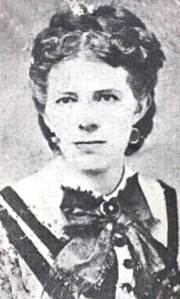
(Photo edited by Bob Rowen)

Stone mourns the loss of a dear friend to marriage, “Beast” Butler’s proclamations from conquered New Orleans outrage her, the weakened levee nearby worries her, and a bear frightens and exhilarates everyone. It’s been a year since her beloved brother and uncle left for the front, and her sadness casts a shadow over Brokenburn’s springtime blooms.


May 23

Have heard of my darling Katie’s marriage. Who would have thought after our long close intimacy that I would hear of her wedding only by accident. I know she has written me everything but no letters come now. So have passed our dreams of sisterhood. I hope, oh how I hope, she has been able to forget the old love and is content with the new. May my dear girl be happy. God bless her and hers. I shall miss her out of my life, my dearest girl friend. How it will affect My Brother I can hardly say, but I have thought of late he had given up his love dream and was willing to take the dismissal he forced upon her. …

The gunboats have been at Vicksburg for a week and have secured their answer to the demand to surrender some days ago, but there has been no bombardment. What we heard was the artillery men trying their guns.

In the Whig is Butler’s last infamous proclamation. It seems that the openly expressed scorn and hatred of the New Orleans women for Butler’s vandal hordes has so exasperated him that he issues this proclamation: That henceforth if any female by word, look, or gesture, shall insult any of his soldiers, the soldier shall have perfect liberty to do with her as he pleases. Could any order be more infamous? It is but carrying out the battle cry ‘Bounty and Beauty’ with which they started for New Orleans. May he not long pollute the soil of Louisiana.

The levee is still very insecure with the river rising and the rains bad on it. Many plantation hands are at work on it all the time, and the owners [are] watching it anxiously. We are almost overflowed from rain water as the ditches had to be stopped to keep out backwater. …

May 25

Everything shines out bright and fair in the spring sunshine after the gloom of the last few days. The flowers wave and glisten most invitingly across the grass beyond the shadows of the great oaks, but it is too wet to venture over Nature’s carpeting of soft, green grass. This evening we may plan what we please. The levees having stood so far we think will stand faithfully to the end. They have certainly been found faithful among few. …

May 26

Old Mr. Valentine is very despondent, foretelling the most abject poverty and starvation for the whole country. He came over to try and induce Mamma to have all the cotton plowed up in order to plant corn and to beg her not to let Brother Walter go to Vicksburg. … He has made himself very unpopular by his bitter opposition to the cotton burning and by not allowing his son to join the army. There is no doubt he should go at once. Some actually think Mr. Valentine is in favor of our enemies and advocate hanging him by mob law. A most unjust report and utterly without foundation. I suppose his being of Northern birth increases the prejudice. …

In the afternoon there was a cry raised that there was a bear in the cane. The boys with their dogs and guns turned out in force, assisted by Mr. McRae, Ben Clarkson, as did all the Negroes who could get mules, while the others armed themselves with axes and sticks and cautiously approached the outskirts. The excitement ran high and we at the house had full benefit as it was in the canebrake just back of the yard. We could hear the barking of the dogs, the reports of the guns, and the cries and shouts of the whole party. It was very exhilirating. They returned in the highest state of excitement but without the bear. They went out next morning but with no better success. …

May 28

Yesterday evening and far into the night we heard the roar of cannonading more distinct and rapid than ever heard before. It must be at Vicksburg. Today all is quiet. One understands after hearing the long rolling booms how deafening it must be on a battlefield. …

The river is falling all the way down.nd we are saved from overflow this year.

Papers and letters this evening, a month old.

May 30

We have a paper of the twenty-seventh. It brings the good news of a battle or surprise by Stonewall Jackson at Winchester and Front Royal and the capture of all the stores at the former place and many prisoners. All the news is rather encouraging. We are holding our own at Fort Pillow. At Corinth the enemy are reported in retreat to their gunboats which, now that the Tennessee River is falling, they are compelled to get out at once. All is well in Virginia. And nearer home at Vicksburg there is nothing to discourage us. The slight shelling did no harm, and the soldiers are full of hope and anxious for the Yankees to land to give them the “worst beating they ever had in their lives. …”

My Brother and Uncle Bo have been gone just a year and what a year of changes. Nature smiles as bright and fair now as under the May sun of a year ago, but where are all “the loved ones who filled our home with glee?” Four of the dear familiar faces are absent. One sleeps the sleep that knows no waking. For him we have no more fear or trouble, for we know he has passed from Death into Life that. … But oh, the weary days of waiting and watching for the other three.

Jimmy brought us two recent letters from My Brother. He encloses some violets gathered from the old trenches around Yorktown, dug there by Washington’s army. His tent stands just where Cornwallis gave up his sword. What supreme satisfaction if McClellan could be induced to do the same thing at the same place. They say history repeats itself. My Brother takes a most elderly brother tone regarding Tom Manlove’s love affairs. Four months ago Tom was desperate about Miss Eva, and now Miss Flora reigns sole empress of his heart for the next month. But My Brother need not be critical, as he is not so constant himself. He so regrets leaving Uncle Bo. They are now in different commands. He is anxious to get his clothes and speaks confidently of coming home. …


Kate Stone’s Civil War: Fashion is an obsolete word

Stone offers a fascinating portrait of how war changed even the smallest elements of daily life.

tree

From 2012 to 2015, Stillness of Heart will share interesting excerpts from the extraordinary diary of Kate Stone, who chronicled her Louisiana family’s turbulent experiences throughout the Civil War era.

Learn more about Stone’s amazing life in 1861, 1862, 1863, 1864, 1865 and beyond. Click on each year to read more about her experiences. You can read the entire journal online here.

(Photo edited by Bob Rowen)

Stone offers a fascinating portrait of how war changed even the smallest elements of daily life.

May 22

All yesterday and today we have heard cannonading at Vicksburg, sometimes so faint that it is more a vibration than a noise and again quite a loud, clear report. Oh, if we could only know just what is going on there. But it may be days before we get any authentic accounts. We do not know the importance of holding Vicksburg. We know nothing of the plans. Some say the resistance there is only a feint to give Beauregard more time at Corinth, Miss., but we hope it is a desperate attempt to hold the city against all odds. We are sick of hearing of these prudent, cautious retreats without firing a gun. Our only hope is in desperate fighting. We are so outnumbered. We think Dr. Buckner’s company is in Vicksburg, but being cavalry they may not be engaged.

Evening. Brother Walter rode out on the dangerous levee and he thinks it will hold. Heard that the attack on Vicksburg will be made this evening at 3 o’clock, the enemy landing at Warrenton and coming in the rear of the city. Brother Walter is almost wild to take part in the battle there. He has been in tears about it for the last week. … He says he must and will be in that fight, but we are not very anxious about him. We are sure all skiffs leaving Pecan Grove will have gotten away long before he reaches there, as it was two when he left. Mamma gave him some money but he took no clothes. He will be compelled to return soon. But Mamma feels that before many days she will be called on to give up this her third son to fight for his country. …

All the boats stopped running three weeks ago on the fall of New Orleans and we have not had a mail since. There is no communication with anywhere except by skiff as the levees are broken between here and Vicksburg.

All the boys are out on the river, and we expect them to bring Anna Dobbs back with them to stay a few days. It seems odd to be expecting company and no flour or any “boughten” delicacy to regale them on, but we have been on a strict “war footing” for some time cornbread and home-raised meal, milk and butter, tea once a day, and coffee never. A year ago we would have considered it impossible to get on for a day without the things that we have been doing without for months. Fortunately we have sugar and molasses, and after all it is not such hard living. Common cornbread admits of many variations in the hands of a good cook eggbread (we have lots of eggs), muffins, cakes, and so on. Fat meat will be unmitigated fat meat, but one need not eat it. And there are chickens, occasional partridges, and other birds, and often venison, vegetables of all kinds minus potatoes; and last but not least, knowing there is no help for it makes one content. …

Clothes have become a secondary consideration. Fashion is an obsolete word and just to be decently clad is all we expect. The change in dress, habits, and customs is nowhere more striking than in the towns. A year ago a gentleman never thought of carrying a bundle, even a small one, through the streets. Broadcloth was de rigueur. Ceremony and fashion ruled in the land. Presto-change. Now the highest in rank may be seen doing any kind of work that their hands find to do. The men have become “hewers of wood and drawers of water” and pack bundles of all sorts and sizes. It may be a pile of blankets, a stack of buckets, or a dozen bundles. One gentleman I saw walking down the street in Jackson, and a splendid-looking fellow he was, had a piece of fish in one hand, a cavalry saddle on his back, bridle, blankets, newspapers, and a small parcel in the other hand; and over his shoulder swung an immense pair of cavalry boots. And nobody thought he looked odd. Their willingness to fetch and carry is only limited by their strength. All the soldiers one sees when traveling are loaded down with canteen, knapsack, haversack, and blankets.

Broadcloth is worn only by the drones and fireside braves. Dyed linsey is now the fashionable material for coats and pants. Vests are done away with, colored flannel, merino, or silk overshirts taking the place. A gentleman thinks nothing of calling on half a dozen young ladies dressed in home-dyed Negro cloth and blue checked shirt. If there is a button or stripe to show that he is one of his country’s defenders, he is sure of warmest welcome. Another stops to talk to a bevy of ladies. He is laden down with a package of socks and tin plates that he is carrying out to camp, and he shifts the bundles from side to side as he grows interested and his arms get tired. In proportion as we have been a race of haughty, indolent, and waited-on people, so now are we ready to do away with all forms and work and wait on ourselves.

The Southerners are a noble race, let them be reviled as they may, and I thank God that He has given my birthplace in this fair land among these gallant people and in a time when I can show my devotion to my Country.

Kate Stone’s Civil War: A perfect love of a lieutenant

Stone’s diary recorded a fascinating variety of situations that governed which men went off to war and which ones stayed home.

From 2012 to 2015, Stillness of Heart will share interesting excerpts from the extraordinary diary of Kate Stone, who chronicled her Louisiana family’s turbulent experiences throughout the Civil War era.

Learn more about Stone’s amazing life in 1861, 1862, 1863, 1864, 1865 and beyond. Click on each year to read more about her experiences. You can read the entire journal online here.

(Photo edited by Bob Rowen)

A fresh March 1862 fever for war spread throughout the community surrounding Brokenburn, and Stone’s diary recorded a fascinating variety of situations that governed which men went off to war and which ones stayed home.

March 1

February has been a month of defeats — Roanoke Island, Forts Henry and Donelson, and now proud old Nashville. All have fallen. A bitter month for us. A grand battle is looked for today or tomorrow at Columbus [Ky.].

Another soldier is leaving our fireside. Brother Coley has joined Dr. Buckner’s cavalry company, and long before the month is over he will be on the field fighting to repel the invader. The first March winds find him safe in the haven of home. April will find him marching and counter-marching, weary and worn, and perhaps dead on the field of battle. He is full of life and hope, so interested in his company, and eager to be off. He says chains could not hold him at home. He has been riding ever since his return Wednesday trying to get the horses, subscriptions, and recruits for his company. Robert Norris goes with a sad foreboding heart to perform a dreaded duty. Brother Coley goes as a bridegroom to his wedding with high hopes and gay anticipations. Robert’s is really the highest type of courage. He sees the danger but presses on. Brother Coley does not even think of it — just a glorious fight for fame and honor.

Wonder of wonders. Mr. Valentine is at last alive to the issue. He is much excited and interested and is getting up a subscription of corn for the families of men who are volunteering back on the Macon. He is trying to raise a company and is getting an office in it. He will go as soon as possible. He and Mr. Catlin were here yesterday. Mamma subscribed 100 barrels of corn. When the two Mr. Valentines become enthusiastic warriors, times are growing warm. I did not see them — it was a business visit, and I had a rising on my face. Nothing but war talked of and companies are forming all through the country.

Mr. Davies, L’adorable, who is on a visit to Dr. Carson, and Mr. NcNeely spent the morning with us … Mr. Davies looks just as he did a year ago, except for his ravishing black mustache, and is as delightful as ever. He is wild to join the army but has his mother and four grown sisters absolutely dependent on him, and it seems impossible for him to get off. He says it is much harder to stay at home than to go.

Joe Carson is crazy to join the army. He cannot study, cannot think of anything else, but his parents will not consent. He is most wretched. The overseers and that class of men are abusing him roundly among themselves — a rich man’s son too good to fight the battles of the rich. Let the rich men go who are most interested. [The overseers] will stay at home. Such craven spirits. So few overseers have gone. …

Thursday we made two blue shirts for Brother Coley. Nearly all we can do for him. Made a comfort bag for him, one for Mr. Valentine, and will now make one for Robert.

March 2

Mr. Stenckrath is making himself wretched these last few days. He feels that he should join the army and he has not the requisite courage. He says, “It is a dreadful thing, Mees Kate, to go and be shoot at.” He is always harping on the dangers and trials of a soldier’s life, and his funny ways amuse us all. He says ill health will keep him here, and he is the picture of manly strength but is imagining himself into becoming a confirmed invalid. He says,”Mees Kate is driving me to the war. She talk so much about men going, and I so sensitive it move me silent for half an hour.” He says, ” I brave man but I no want to be shoot.” To look at it dispassionately, there does seem to be no reason why a foreigner, only here to teach and most probably opposed to all our institutions, should be expected to fight for our independence. And I really do not think it Mr. Stenckrath’s duty to go, but he will take all we say about other men who are shirking their duty as personal to him. And when we are all on fire with the subject, we cannot bridle our tongues all the time.

Well, Columbus [Ky.] is abandoned and with it Tennessee. Our Columbus army, without a shot or shell on either side, has retired to Island No. 10, and the Nashville army has fallen back to Decatur, Ala. They say the Island is much better adapted for defense than Columbus. Then how much time and money has been wasted at Columbus? How we would like to have a letter from Cousin Titia. I suppose she leads the retreat.

Robert came home with Brother Coley tonight. They must go to Vicksburg tomorrow. Robert is in much better spirits, and Brother Coley is jubliant.

March 8

Brother Coley and Robert got off just at sunrise. It was cold but they were well wrapped up. Robert returned the next day but Brother Coley is still there expecting to leave every day. Dr. Carson gave five bales of cotton to Dr. Buckner’s company and a horse, which Robert rode down, but he will not allow Joe to join, and the boy is nearly distracted with mortification and chagrin.

Mamma finished her silk quilt, I helped three days and then begged off. Quilting is a fearsome job. Have finished making the three “friends.”

Mr. Valentine failed to get an office in the company, and we fear he will not go, and that will make him fearfully unpopular with all classes. If we could see him, I am sure we could influence him. For his own sake he must join. Mr. Catlin’s last feint is that he will join a gunboat now in the docks. Robert has joined Sweet’s Artillery of Vicksburg and will get off Thursday.

Mamma and I went out by special invitation merely to call on the bride and Miss Lily and then to dine at Mrs. Carson’s, but Mrs. Savage would not hear of our leaving. She made us spend the day and a long, dull day it was, and so cold. We were the only invited guests for the day, but there are still sixteen grown people and numbers of children staying in the house. The dinner table was set on the back gallery. The bride had on a lovely dress of light blue silk with a silvery sheen, trimmed with dark blue velvet, black lace, and steel buckles. She looked as usual, sour and disagreeable, and was very silent, as was the groom. His powers of interrogation have not failed him. Talking alone with him, his first query was did I think his wife was handsome? With my opinion of Mrs. Lily’s looks it was “rather a staggerer” as I have a due regard for truth. I evaded the question, and he then wanted to know did I think her as good looking as he is? I could truthfully answer yes as Dr. Lily is not to say pretty. Still he was not satisfied but I cut the conversation short, tired of such a personal catechism.

Miss Lily is distinctly commonplace, rather a “muggins” and wears the oddest hairdress. Miss Bettie’s coiffure is mild compared to it. Rose attacked me for having said I thought Dr. Lily should go to the army. No doubt I have said so, for I certainly think it and am still of the same opinion, but I had not been rude enough to tell him so. With all of our relations going out to fight, I am not apt to think other men should sit comfortably at home.

Dr. Meagher was on hand, the handsomest, nicest looking of the lot. I told Anna I approved of her taste and if I had the opportunity might set my cap for him, a rival of hers. She declared there is nothing between them but there surely will be if they see much more of each other. All Mrs. Savage’s visitors leave today. The bride and groom go to Baton Rouge to visit his people. …

Mr. Stenckrath does not improve on acquaintance. He is very high tempered and irritable and so sensitive on the subject of the war. He says he cannot bear to hear us talk of it, which is too absurd, as if we could help talking in our own home circle of the most important and stirring facts in the world to us. He wants us to ignore the existence of any war and prattle on of the commonplaces of life as though victory and defeat, suffering and death, had never been heard of. He came back from Goodrich’s this evening wrought up to the highest pitch of rage and excitement. He had to drill with the militia and came back anathematizing on the militia, the officers, and everything connected with it. The greatest egotist applies everything said to himself — a hypochondriac. He complains all the time, often of an agonizing pain in his toe. But enough of this tiresome man!

We hear of a victory for us at Boston Mountain, Ark. No particulars. No news for days. The boats are all detained at Columbus removing government stores. The papers are making most stirring appeals to the people to give and to enlist. The Whig is most eloquent. A busy week for all of us. With morn comes toil but night brings rest.

March 9

Brother Coley came this evening. He will join his company Tuesday and they will leave for Jackson, Miss., Thursday and shortly after go to Jackson, Tenn. …

All of us but Mamma went out to the Lodge to hear Mr. Rutherford preach. He is a pleasant talker, and there was a large congregation. Better than all there were three soldiers in their uniforms, the two Mr. Buckners, one a captain and the other some officer, and a perfect love of a lieutenant in blue uniform and brass buttons galore. Six feet of soldier with brass buttons is irresistible, and all the girls capitulated at once. Did not hear his name, and my prophetic soul tells me he is married. Oh me!. He is one of the escaped heroes of Fort Donelson. He aroused my liveliest sympathy by being compelled to balance himself on a backless bench during the entire service. Is that the way to make our heroes love church?

Kate Stone’s Civil War: Victory will be ours

As the violence of war in 1862 grew closer to Brokenburn, the reliable and steady lines of communication with the outside world were disrupted.

From 2012 to 2015, Stillness of Heart will share interesting excerpts from the extraordinary diary of Kate Stone, who chronicled her Louisiana family’s turbulent experiences throughout the Civil War era.

Learn more about Stone’s amazing life in 1861, 1862, 1863, 1864, 1865 and beyond. Click on each year to read more about her experiences. You can read the entire journal online here.

(Photo edited by Bob Rowen)

As the violence of war in 1862 grew closer to Brokenburn, the reliable and steady lines of communication with the outside world were disrupted. One by one, the array of Northern and Southern newspapers the Stone family — particularly Kate — regularly read stopped coming, and the Union campaigns to control the Mississippi River disrupted river boat traffic that carried precious letters and telegrams from Stone’s brother and uncle, both Confederate soldiers, amid other family news. So Stone’s active imagination was left to wonder, imagine, and hope that more victories over the North would be secured.

Stone yearned to join the men’s war. Note how spiteful she is of men who stay home instead of joining the army.

Feb. 20

Monday school started in My Brother’s room, and I go on with French under Mr. Stenckrath. He is to hear me after supper. I have been staying in Mamma’s room lately. Now, she, Sister, and Frank are all sound asleep, and I have just finished my French exercises. Mr. Stenkrath is a splendid teacher and likes his profession. He seems just the man for the boys. He seems to have a restless nature. From his confused account of himself, he has had a roving life, seldom staying more than a few months at a place, and so we need not expect to keep him long.

No mails for two weeks, the boat laid up for repairs.

The news for the last few days gathered from extras and dailies is bitterly disappointing: Forts Henry and Donelson given up, Bowling Green evacuated and shelled and burned by the enemy, and the Northern hordes marching on Nashville. Four days ago the people were leaving, and the town was being shelled by the gunboats. We do not care for those Kentucky towns; they deserve their fate. But Nashville, so true to the South, is a different matter. I know Dr. Elliott’s school will suffer. He is such an ardent Southerner. I graduated there. An excellent school it is.

It is a gloomy outlook just now but … victory will be ours at last.

Nothing from Cousin Titia and Jenny, and we looked for them today. There is no communication with Vicksburg; it might be under blockade for what we hear.

Mamma has finished the silk quilt, octagons of blue and yellow satin from two of her old dresses. Sister claims it. Aunt Laura’s, of purple and blue silk, is done and is exceedingly pretty. She has had several comforts made during the bad weather, and it has been so bad. I have about finished Beverly’s second apron, blue and white scallops with a bunch of heartsease embroidered in front and cute little pockets, also embroidered.

Feb. 21

Nashville has not yet fallen. Our army, 80,000 strong, is encamped around the city and the enemy is marching up, 250,000 of them, to battle. The general impression is that both Nashville and Memphis are doomed, and the Yankee gunboats will then descend the Mississippi and get all the cotton they can steal.

Brother Coley went to the last drill today at Willow Bayou. The company is broken up. There have been calls from the governors of all the river states for all the able-bodied men to come forward. Every man is speaking of joining the army, and we fear within a week Brother Coley will away.

In the present sad conditions of affairs traitors are springing up in every direction, as plentiful and busy as frogs in a marsh. I would not trust any man now who stays at home instead of going out to fight for his country.

I am tired. I have been so busy. Have read several hours French and English, sewed, practiced, written a letter, entertained Mr. Stockton for a time, played nine games of cards, eaten three meals and a luncheon, learned and recited four French lessons, and written all this. Surely it is bedtime.

Feb. 22

We had a surprising piece of family news this morning. Either Cousin Jenny or Cousin Titia was married a week ago today. We do not know which. Mr. Stockton mentioned it incidentally in the course of conversation, and after our surprised queries, he told us all he knew. He said that one of the young ladies was married at Dr. Buckner’s by Mr. Lord to a Tennessee soldier, name unknown, and started off next morning up the river. He did not know where. We are wild for particulars. Cannot tell why they have not let us know all about it.

Mr. Kaiser is off to the war and without bidding us good-bye. Mamma is trying to get a situation for Mr. Stockton and in the meanwhile is doctoring him up with all kinds of strong, hot medicines to make him well enough to accept a place should he get it. He has a horrid cold, and the poor fellow is perfectly obedient to Mamma. He takes all her doses without a murmur. Mr. Neily wishes a teacher, and Brother Coley went to see him this morning. He offers only $500. It is for his grandchildren. Mamma wrote also to Mrs. Savage and Mr. Harris, but neither wish a teacher just now. Anna writes Mrs. Savage has given out the idea of a large wedding. Only the families are to be present. Mamma sent Rose a lovely pincushion. Mrs. McRae is still very ill. Mamma spent part of the night there. I played three-handed euchre with Mr. Stockton and Mr. Stenckrath until, as the boys say, I am “dead beat.”

Feb. 24

News of a victory for us in Missouri in which Gen. Sigel, a German Yankee, was killed. All other tidings are gloomy but they have aroused the country with a trumpet call. There is the greatest excitement throughout the country. Almost everyone is going and going at once. Men are flocking to Johnston’s standard by the thousands. They are not waiting to form companies, but are going to join those already in the field. Every man gets ready as soon as he can possibly do so, makes his way to the river, hails the first upward bound boat, and is off to join in the fight at Nashville. The whole country is awake and on the watch think and talk only of war.

Robert came out this evening to consult with Brother Coley. He wants to go in the same company. But Brother Coley went to Vicksburg this morning to consult Dr. Buckner as to the best company for him to join. Robert is very low-spirited but determined on going. He says he knows he will never return. I like him very much and will be sorry to tell him good-bye. Mamma received a letter from Dr. Buckner today. He expects to leave with his company in two or three days and wrote for Brother Coley and Brother Walter. His is a cavalry company.

It was Cousin Titia who was married. We do not know to whom. They left for camp at Columbus, Miss.

Feb. 25

Our first mail for three weeks. Numbers of letters — a grieved one from Kate and an old one from My Brother. Cousin Titia married Mr. Charles Frazer, a lawyer of Memphis. They have been engaged for some time but it was an unexpected marriage. He got a furlough, came to Vicksburg, and insisted on being married, and so they were and went on to camp together at Columbus, Miss. Cousin Titia wrote to Mamma and tried to telegraph.

Kate Stone’s Civil War: The little creature

She had a sharp tongue for women she disliked.

From 2012 to 2015, Stillness of Heart will share interesting excerpts from the extraordinary diary of Kate Stone, the daughter of Louisiana cotton plantation owners who chronicled her turbulent life throughout the Civil War era.

Learn more about Stone’s amazing life in 1861, 1862, 1863, 1864, 1865 and beyond. Click on each year to read more about her experiences. You can read the entire journal online here.

(Photo edited by Bob Rowen)

Boredom mixed with tragedy and sadness at Brokenburn throughout a chilly February 1862. Rain fell. Aprons were sewn. Novels were read. Detested quilts were produced.

Then, a slave baby died. Stone dutifully noted the tragedy with coolness, showing passion and frustration only when she imagined the violent and exciting world at war beyond her plantation’s muddy borders. News from the front was as dark as the winter weather.

Also, note Stone’s sharp tongue for women she disliked.

Feb. 1

It is raining and it is hailing, and it is cold stormy weather. The worst winter weather. … Practiced on the piano … until bedtime. I have commenced a set of linen aprons for Beverly. Will embroider them all, some in white and two or three in blue and red. I intend to make them pretty and dainty to suit the dear little wearer. Mamma’s trunk came today and so we will have plenty of sewing for some time.

Have nothing new to read. Thus I have taken up my old favorite, [Walter] Scott, the Prince of Novelists. Who of the modern writers can compare with him?

Another death among the Negroes today Jane Eyre, Malona’s baby. The little creature was lying in its mother’s lap laughing and playing when it suddenly threw itself back, straightened out, and was dead. It is impossible to know what was the matter as it seemed perfectly well a minute before it died. This is the third child the mother has lost since Mamma bought her, and she seems devotedly attached to her babies. This is her last child.

The boys have been out in the rain most of the day rabbit hunting. … We all accuse Johnny of growing misanthropic since mixing with his fellowmen. Going to school with so many seems to induce most sour and cynical ideas. Little Sister wearies of the tedium of home after three weeks of school and wants to go with the boys, but Mamma thinks it too cold and wet for her to venture out. So she must needs bide at home and play dolls.

No war news or any other kind. Oh, this inactive life when there is such stir and excitement in the busy world outside. It is enough to run one wild. Oh! to be in the heat and turmoil of it all, to live, to live, not stagnate here.

How can a man rest quietly at home when battles are being fought and fields lost and won every day? I would eat my heart away were I a man at home [during] these troublous times.

Feb. 4

Sister has been suffering for several days with neuralgia and it is but little sleep either she or Mamma has had. …

Mamma had several of the women from the quarter sewing. Nothing to be done in the fields — too muddy. They put in and finished quilting a comfort made of two of my cashmere dresses. Mamma had Aunt Laura’s silk one put in today and Sue is quilting on it. I am so afraid Mamma will commence work on it herself, and if she does I shall feel in duty bound to put up my linen embroidery and help her. And I simply detest making and quilting quilts. Precious little of it have I ever done. This will be a lovely silk affair. Aunt Laura always has so many pretty silks and wears them such a little while that they are never soiled. After quilting, one rises from the chair with such a backache, headache, and bleeding pricked fingers.

Feb. 5

Mamma is busy on the silk quilt destined for Sister. Both Walter and Sister are better. The others are at school. Worked myself half blind on Beverly’s aprons to- night. Have been intending to take up French again, but studying is too humdrum work for these times. The boys say there is a runaway about the country. That makes one feel creepy when alone at night. So out with the light and to sleep to dream.

Feb. 16

Last week the weather was fine and the roads improved, and so we went out in the carriage to Mrs. Savage’s, stopping by for Mrs. Carson, who had been ill for two weeks and could not go. We found all at Mrs. Savage’s in the hurry and bustle of wedding arrangements all working on white linen. Mrs. Savage is charmed at the match and is just in her element preparing for a wedding. She has bought two new carpets and a pretty ashes of rose silk for Anna. She had it made in New Orleans and also two pretty summer dresses. Rose looks perfectly happy and content with the prettiest possible engagement ring flashing and sparkling on her finger a big solitaire, the image of Aunt Sarah’s.

I had no idea Rose’s face could wear such a joyous look, but even joy and youth cannot make her pretty. Anna Dobbs, Mr. and Mrs. Norris, and Rose’s mother came in the evening from Bayou Macon by way of Richmond, the swamp being impassable. What a weary, bedraggled, tacky-looking set they were.

Rose’s want of beauty is explained as soon as you see her mother, a regular witch of an old lady with the most apologetic, deprecating air. She has put up with many a snob, you can see, and has Bayou Macon written all over her. Now is not it mean of me to write in that way of that harmless old lady and I know absolutely nothing of her? She may be in her daily life an uncannonized saint. …

The war news is very bad, only defeats Roanoke Island, fall of Fort Henry, and the ascent of the Tennessee River and shelling of Florence, Ala. We still hold Fort Donelson, though it has been under fire for two days.

A heavy snowstorm the deepest snow we ever had. The children enjoy snowballing and we all enjoy the ice cream. There is not much milk left for butter after the boys get out of the dairy.

Kate Stone’s Civil War: They close in and kill

As the winter of 1862 turned Brokenburn into a snowy, muddy landscape, Stone sensed the war was growing ever closer as the joys and comforts she had always enjoyed were slipping away.

From 2012 to 2015, Stillness of Heart will share interesting excerpts from the extraordinary diary of Kate Stone, the daughter of Louisiana cotton plantation owners who chronicled her turbulent life throughout the Civil War era.

Learn more about Stone’s amazing life in 1861, 1862, 1863, 1864, 1865 and beyond. Click on each year to read more about her experiences. You can read the entire journal online here.

(Photo edited by Bob Rowen)

Stone was in marginal command of Brokenburn as her mother and brothers attended to business in and around Vicksburg. As the winter of 1862 turned Brokenburn into a snowy, muddy landscape, she dutifully recorded the comings and goings of family friends, neighborhood gossip, and her brothers’ dreaded school lessons.

By the end of January, however, slaves and animals belonging to Ashburn, her late brother, were distributed to other owners, bringing Stone a degree of “distress,” and the demands and tragedies of a still far-off war were again felt in Louisiana. Stone sensed the war was growing ever closer as the joys and comforts she had always enjoyed were slipping away.

Jan. 16:

Real winter weather at last with sleet and snow whitening the ground a real winter landscape. We made some ice cream last night, ate it this morning, and pronounced it splendid. Today they are killing the last of the hogs, and all of the house servants with a contingent from the quarters are making lard, sausage, souse, etc., etc. ..

Jan. 17:

The snow is melting and running off the house in a continual rain and underfoot is too slushy for anything. It is too cold and wet for Sister to go to school, but the boys went and came in this evening covered with mud but in high good humor. Each one has an essay to write, their first attempt, and it seems to hang over them as a regular kill-joy. Brother Coley is studying at home for several hours a day. I have been sewing and reading “The Pilgrims of the Rhine,” a perfect prose poem. …

Jan. 20:

Sunday, though it was cloudy, windy, and so muddy, all of us went to church, leaving only Brother Walter at home. Mr. Holbury gave us an excellent sermon. We saw nearly everyone we know in that section and also met the new Presbyterian minister, Mr. McNeely, and Anna’s bright, particular star, Dr. Meagher from Franklin Parish. It looks like there might be serious intentions in that quarter, for Mrs. Savage permits no flirting on her premises and is a famous matchmaker. The Doctor is quite nice looking. …

Dr. Lily left last week, I suppose for the army, and did not come out to say farewell. And such a friend as he claimed to be to the Brokenburn household! I was sorry he left in a bad humor with us.

Mr. and Mrs. Goodrich were at church, his first attendance for years. The death of their little girl Sarah not long since was a dreadful blow to them. She was a bright, attractive child about thirteen who died of diphtheria. They have one little boy.

Jan. 22:

Gen. [Leonidas] Polk has called on the planters from Memphis to the lower part of Carroll Parish for hands to complete the fortifications at Fort Pillow, forty miles above Memphis. A great many Negroes have been sent from Arkansas, Tennessee, and North Mississippi, and now it comes Louisiana’s time to shoulder her part of the common burden. A man was here today with Gen. Polk’s appeal. He had been riding constantly since Monday from one plantation to another, and nearly everyone had promised to send some half of their force of men, some more, some less. As they get off tomorrow evening, Brother Coley had to go down to see Mamma about it.

Took a cozy dinner all to myself shut up in Mamma’s room, which I am occupying while she is away and which Frank keeps at summer heat. I find the piano a great resource as I am recalling some of my music. … We miss Mamma dreadfully.

The boys start to school immediately after breakfast and get home just at sunset, and directly after supper they commence on next day’s lessons. Brother Walter has just worried through his first essay. It is short and of course must be filled with mistakes, but he will not let us look at it. It is the first step that costs. Hereafter, hope he will not find it such a job. The other two boys are hammering away at their speeches. Sister has not attained to the dignity of either writing or speaking yet awhile.

Jan. 24:

Mamma and Other Pa (Stone’s maternal grandfather) got home late Thursday evening. We were not looking for them and no supper had been kept hot, as it was some time before then that hot supper was served. Other Pa only came on business and went back to Vicksburg carrying with him Ashburn’s Negroes, who are to be divided out among the heirs. Separating the old family Negroes who have lived and worked together for so many years is a great grief to them and a distress to us. I wish Mamma had been able to buy them all in and keep them here.

Stone reported the final distribution of her late brother’s slaves and animals on Jan. 30:

From Ashburn’s estate Mamma drew two Negroes, Mathilda and Abe. Patsy and John went to Cousins Jenny and Titia. They all came up on the boat this afternoon. Mat with Festus, the horse, goes to Uncle Johnny, Hill to Uncle Bo, Peggy and Jane to Aunt Laura, and Sydney and her two youngest children to Aunt Sarah. It is hard for Sydney and her older children to be separated. We are so sorry but cannot help it.

Jan. 27:

We went to hear Mr. McNeely preach Sunday rather dry and humdrum. Dr. Carson took him all around the country to introduce him to his new field of work. Quite pleasant socially, and could not be called ceremonious.

But I forget. I must give the real neighborhood news. Rose and Dr. Lily are to be married very soon — my pet prejudice, Rose Norris and the “Tiger Lily.” She will be Mrs. “Rose Lily.” She slipped quietly off with Mrs. Savage to New Orleans and is selecting her trousseau. … I never would have picked Rose Norris out of all the world to spend my life with. For that matter, neither would I have selected Dr. Lily for that post. But oh! how tastes differ. I cannot believe he is in love with her. It has been too recently that he was criticizing her severely her looks, her walk, her manner. If it proves a happy marriage, I shall be surprised. She is quite young, about seventeen I think. …

Jan. 30:

A late mail this evening. A letter from My Brother complains that it is dreadfully dull. They are just wearing the time away winterbound in their tents. The papers confirm our defeat at Fishing Creek and the death of Gen. Zollicoffer. Two lamentable events. Mr. McNeely knew Gen. Zollicoffer intimately and grieves for his death. He admired him greatly and considers his death a great loss to the Southern Cause.

The whole Northern Army is now on the move preparing to attack us at all points. We expect to hear of great battles within the next few days. God grant us victory in our just war. The manner in which the North is moving her forces, now that she thinks us surrounded and can give us the annihilating blow, reminds me of a party of hunters crouched around the covert of the deer, and when the lines are drawn and there is no escape, they close in and kill. …

It looks like we may have difficulty in getting summer clothes. The merchants are selling only for cash and that cash is hard to get, unless we can do as they seem to be doing in the towns make it. Judging from the looks of the paper money and the many signatures on odd-looking paper and pasteboard, one would be convinced that many people are making their own money. We have spent less this year than ever before. Have bought only absolute necessaries — no frills and fur belows for us. Affairs are too grave to think of dress.

Kate Stone’s Civil War: Happy birthday

As she faced a long, hard year ahead, on Jan. 8, 1862, Stone made a fresh promise to herself as an individual and as a citizen of the Confederacy.

From 2012 to 2015, Stillness of Heart will share interesting excerpts from the extraordinary diary of Kate Stone, the daughter of Louisiana cotton plantation owners who chronicled her turbulent life throughout the Civil War era.

Learn more about Stone’s amazing life in 1861, 1862, 1863, 1864, 1865 and beyond. Click on each year to read more about her experiences. You can read the entire journal online here.

(Photo edited by Bob Rowen)

As she faced a long, hard year ahead, on Jan. 8, 1862, Stone made a fresh promise to herself as an individual and as a citizen of the Confederacy.

Jan. 8:

This is my twenty-first birthday, and I think this will be my motto for the year so uncertain are all our surroundings: “Live for today. Tomorrow’s night, tomorrow’s cares shall bring to light.” May I always be able to put my trust in God as I can tonight, satisfied that He will order our future as is best.

This has been a year of changes, of stirring and eventful life, the shortest ever in our calendar. God has been with our Nation during this year of trouble. He has given us wise rulers, brave and successful generals, valiant and patriotic men, and a united people, self-sacrificing and with their trust in God. …

Kate Stone’s Civil War: Sad Christmas

Stone’s first entry for 1862 was a somber one. The shadow of her brother’s death darkened the holiday cheer.

From 2012 to 2015, Stillness of Heart will share interesting excerpts from the extraordinary diary of Kate Stone, the daughter of Louisiana cotton plantation owners who chronicled her turbulent life throughout the Civil War era.

Learn more about Stone’s amazing life in 1861, 1862, 1863, 1864, 1865 and beyond. Click on each year to read more about her experiences. You can read the entire journal online here.

(Photo edited by Bob Rowen)

Stone’s first entry for 1862 was a somber one. The shadow of her brother’s death darkened the holiday cheer.

Jan. 6:

Christmas passed very quietly with us. Greetings on all sides but no gifts and not many good things prepared beforehand. Had the customary eggnog before breakfast, but not a prize nog. It was made of borrowed whiskey with a strong flavor of turpentine. A lovely day, so warm that we sat on the gallery until bedtime.

Julia Reed came on the twenty-seventh and stayed until today. This is the first Christmas in our recollection that was not a time of fun and feasting. We missed Ashburn’s kiss and blithesome presence.

Mamma invited the two Mr. Valentines, father and son, to dinner, thinking it would be pleasant for Other Pa (Stone’s maternal grandfather) to meet the older man, and rather to our surprise they came and stayed until sundown. We never heard of Mr. Valentine, Sr., paying a social visit before. He is odd, just as we fancied he would be, but an excellent talker. He and his son are strikingly alike in looks, manners, and turn of mind, though they generally take opposite sides on every proposition. Mark, Jr., says they are forced to do so to have something to talk about the long winter evenings.

Mark, Jr., acquainted us with his fixed determination to pay us a New Year’s call. So Julia and I hurried back from our ride that misty, misty morning and looked for him all day. In the afternoon we begged Mamma to let us pay our expected visit to Mrs. Savage, but she would not allow it. So he ruined our plans for all day. It will be long before we let an engagement with him keep us in again.

The morning after Christmas Mamma gave all the house servants holiday … and they all went down to the quarters. She hired some of the field women, who were busy in the backyard drying out lard, making up sausages, cleaning feet and so on. …

Kate Stone’s Civil War: Rainy days

As the war’s first Christmas approached, life went on at Brokenburn. Soft winter rain drenched the neighborhood. A strange relative got married. Sickness claimed yet another acquaintance. It’s a fascinating record of a quiet home front. Quiet for the moment.

From 2012 to 2015, Stillness of Heart will share interesting excerpts from the extraordinary diary of Kate Stone, the daughter of Louisiana cotton plantation owners who chronicled her turbulent life throughout the Civil War era.

Learn more about Stone’s amazing life in 1861, 1862, 1863, 1864, 1865 and beyond. Click on each year to read more about her experiences. You can read the entire journal online here.

(Photo edited by Bob Rowen)

As the war’s first Christmas approached, life went on at Brokenburn. Soft winter rain drenched the neighborhood. A strange relative got married. Sickness claimed yet another acquaintance. It’s a fascinating record of a quiet home front. Quiet for the moment.

Dec. 22:

I have been sleeping with Mamma and so I have not written for some time, as night is my time for scribbling.

Aunt Laura left us ten days ago after a two-week stay, and she seemed to enjoy so much being with us all, especially Mamma. Her visit was a pleasure to us. …

After two weeks of the lovliest warm spring weather with skies as blue and bright as bend over Italian plains, we wake to hear a soft, warm rain pattering down, and so no church for us today. And none of us went last Sunday. Sunday spent at home is a long, weary day. …

The greatest news of all Uncle Johnny is married. On the seventeenth of this month he gave his heart and hand to Miss Kate Boone, a girl from Charleston, S.C., who has been visiting her brother at Pine Bluff, Ark., for some months. She is quite a young girl, not more than seventeen, while Uncle Johnny is thirty-five. We wish them every happiness, and I wish he would bring her down to see us. I only hope he will not try to educate her according to his theories but will let her go on as Nature and her own antecedents and education would have her. But for years he has had the idea of marrying a very young girl and molding and educating her according to his pet theories. My mind misgives me that such is still his plan.

Other Pa (Stone’s maternal grandfather) left the day after the wedding, which was very quiet. He is not pleased with the marriage, though he does not say much against it. Uncle John is editing a paper in Pine Bluff. He is a most impracticable man with so many theories, and he has made ducks and drakes of all the money inherited from Other Ma (Stone’s maternal grandmother) and every other cent he could get. We hope marriage will be his salvation, an anchor to keep him from drifting with every tide, or feeling, or impulse. Johnny says he shall call his new Aunt “Aunt Boone.” He likes it better than “Kate.” I have pre-emption title on that name. …

Mrs. Virginia Cavalier, the oldest sister of the Morris girls, died a week ago of swamp fever. She was a widow with two young children and a very attractive woman. Her brother-in-law, Mr. Joe Cavalier, has been addressing her for the last year, so report says.

Kate Stone’s Civil War: The noble, gentle heart

Stone was an insightful, often self-deprecating, and intelligent writer, but she never wrote more beautifully than when she endured tragedy.

From 2012 to 2015, Stillness of Heart will share interesting excerpts from the extraordinary diary of Kate Stone, the daughter of Louisiana cotton plantation owners who chronicled her turbulent life throughout the Civil War era.

Learn more about Stone’s amazing life in 1861, 1862, 1863, 1864, 1865 and beyond. Click on each year to read more about her experiences. You can read the entire journal online here.

(Photo edited by Bob Rowen)

Stone was an insightful, often self-deprecating, and intelligent writer, but she never wrote more beautifully than when she endured tragedy.

The sickness that ravaged the Stone family was too much for Stone’s brother Ashburn, who died soon after their older brother left to rejoin his Confederate unit. Their mother accompanied the soldier to his embarkation point at Vicksburg, Miss., and she was too far away to rejoin her dying son in his final moments. As Stone grieved, her journal sat silent for two weeks. In late November, she began to write again.

Amidst her sorrow she took a moment to reflect on her mother’s beauty and character. It’s a fascinating and affectionate celebration of the woman Stone admired above all others.

Nov. 27:

How can I write the record of the last two weeks? It seems that the trouble and grief of years has been pressed into that short space of time. Ashburn, our darling, has gone, never to return. Oh! how we miss him every hour in the day. The noble, gentle heart and the loving sensitive nature are stilled forever, passed from the world as though they had never been. What great thoughts, loving wishes, and proud hopes lie buried in his grave. So young, so bouyant, so full of life and happiness, brilliant with the very joy of living such a little while ago, and now dead. …

Nov. 28:

Ashburn died on Tuesday, November 12, at 11 o’clock at night of swamp fever. We sent for Mamma very early Tuesday morning, but she could not get here until Wednesday morning too late. She was so dreadfully distressed. As soon as he died, Brother Coley started at once to Vicksburg to meet Mamma and to make arrangements for the burial. He reached DeSoto just as she crossed the ferry, and as soon as she saw him she knew the worst.

Brother Walter had gone for her and brought her back. She so reproached herself for leaving him when he was sick, but we told her everybody on the place had been sick off and on all summer and she could not know this would be a serious illness. She loved him so. We always told her that she loved and indulged him more than any of us, and she always said, why, he was the best boy of them all and never gave any occasion to be scolded.

Nov. 29:

[Ashburn’s] was buried Thursday in a clump of woods just back of the house, the new family graveyard. Our Father and two little sisters were removed there from the old graveyard a year ago.

Here at home all seems strangely dull and sad. …

A warm lovely week, a wanderer from the April sisterhood. No frost and the flowers are still in fullest bloom roses and annuals, as gay as in May. “The Melancholy days have come” for our household but not for Dame Nature. The boys have been out hunting most of the day with poor success one duck but the woods are full of game and the lakes covered with ducks.

Brother Coley and Mr. Reading went to attend the drill at Willow Bayou and to bid adieu to Mr. Reading’s friends. They went from there to Omega. No mail. But Brother Coley brought back the paper containing the resolutions of sympathy passed by the Willow Bayou company on Ashburn’s death. How he loved all military matters.

Mamma was talking tonight of her early days. She was married before she was sixteen, before she had left school, but she had been out enough to reject ten lovers before she met papa. All of them are living still. She was and is a beautiful woman of most attractive manner and a brilliant conversationalist with a great power of attracting love, the first and greatest gift that can be bestowed on anyone. She has the most cheerful, brightest spirit and is a brave resourceful woman. None of the children bear a strong resemblance to either her or our Father. Brother Walter is most like her.

Nov. 30:

This is the last day of a month that brought us unmixed joy and hopeless sorrow. My Brother was with us at its commencement and now at the close he is in camp again, and one of our dearest and best has bidden farewell to Earth and floated out on the dark river.

Thinking As Leverage

Developing deep and critical thinking.

Behind The Wall

Tabletop Games

Rebecca Aguilar

#CallingAllJournalists Initiative | Reporter | Media Watchdog | Mentor | Latinas in Journalism

Anna Fonte's Paper Planes

Words, images & collages tossed from a window.

Postcards from Barton Springs

Gayle Brennan Spencer - sending random thoughts to and from South Austin

The Flask Half Full

Travel stories and culture, with a twist.

Government Book Talk

Talking about some of the best publications from the Federal Government, past and present.

Cadillac Society

Cadillac News, Forums, Rumors, Reviews

Ob360media

Real News That Matters

Mealtime Joy

bringing joy to family meals

Øl, Mad og Folk

Bloggen Øl, Mad og Folk

a joyous kitchen

fun, delicious food for everyone

A Perfect Feast

Modern Comfort Food

donnablackwrites

Art is a gift we give ourselves

Fridgelore

low waste living drawn from food lore through the ages

BeckiesKitchen.com

MUSINGS : CRITICISM : HISTORY : NEWS