Passion for the pages

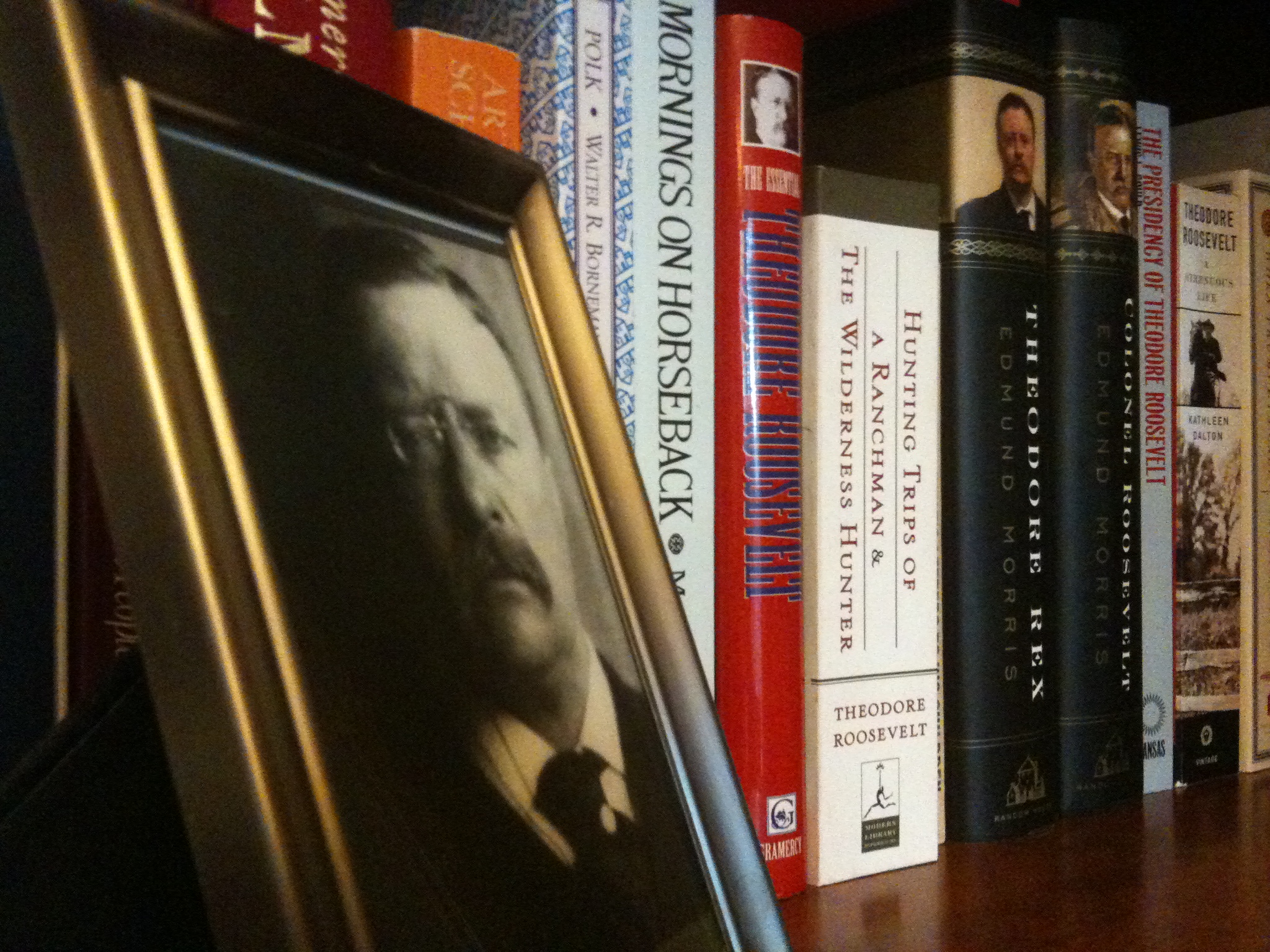
In early April, the Theodore Roosevelt Association posted a note on its Facebook page, asking “Ever Wonder What Roosevelt Liked to Read?” “Oh, yes,” I replied aloud. “I’m always interested.”

In early April, the Theodore Roosevelt Association posted a note on its Facebook page, asking “Ever Wonder What Roosevelt Liked to Read?”

“Oh, yes,” I replied aloud. “I’m always interested.”

The note began, “In 1905, a contributor to The Century Magazine (1881-1930), reported a two-year ‘pretty full, but far from complete’ list of what the president had read (or reread), ‘purely for enjoyment’. The list did not include all the books, magazines and papers the president had to read in the daily course of the nation’s business. The list included 83 different authors and approximately a couple hundred volumes, estimating TR devoured 35,000 pages a year or about 100 pages a day. …”

In the book “When Trumpets Call,” Patricia O’Toole explored Roosevelt’s life after his presidency, beginning with his March 1909 African safari. The account includes one of the more famous examples of Roosevelt’s love for books: the so-called Pigskin Library. It was, she wrote, a collection of about 50 volumes “to be taken apart, trimmed at the margins, and bound anew in pigskin, the material he thought most likely to withstand the beating of a year on safari.” Roosevelt stored the books in an alumnium container, and the whole collection weighed less than 60 pounds.

During the expedition “TR read with the intensity he gave to everything else,” O’Toole wrote, “his wattage focused on the book. He read before going to sleep at night, on rainy afternoons, aboard trains and ships, and whenever he needed a few minutes’ escape. The Pigskin Library was stocked with reading matter that took time to ingest,” including Homer, Dante, novels by Walter Scott, poetry from Keats and Browning, the works of Shakespeare and Mark Twain and Dickens, and works in their original French, German or Italian — languages in which he was fairly fluent. “He always carried a book into the field, reading under a tree during the noonday halt or next to a fresh kill as he waited” for the team that skinned his safari trophies.

The library would grow as the intense weeks and months in Africa passed, absorbing works from Montaigne, Cervantes and Charles Darwin, among many others. In “Colonel Roosevelt,” Edmund Morris wrote that by mid-August, the “intense physicality of Africa so stimulates (Roosevelt) intellectually that he has already read most of his Pigskin Library — some covers stained with blood, oil, ashes and sweat till they look like saddle leather.”

Volume 14 of the Memorial Edition of “The Works of Theodore Roosevelt” collected his literary essays, including one on the Pigskin Library (page 463). “[The books] were for use,” Roosevelt wrote, “not ornament. I almost always had some volume with me, either in my saddle-pocket or in the cartridge-bag which one of my gun-bearers carried to hold odds and ends. Often my reading would be done while resting under a tree at noon, perhaps beside the carcass of a beast I had killed, or else while waiting for camp to be pitched …”

Like the many books he took on other long trips, there were no complex reasons for selecting the books he took to Africa. “The choice,” he recalled in the essay, “would largely depend upon what I had just been reading.” Collections of German poetry would inspire Roosevelt to take more German poetry. Essays on Greek history would inspire him to take works by Polybius, the Greek historian. Reading Melville’s “Typee” would inspire him to read “Moby Dick” once again.

Having offered a casual list of his favorite books, Roosevelt’s essay segued into comments on Harvard President Charles Eliot’s then-recently published 50-volume Harvard Classics. “Let me repeat,” he said near the end of his observations, “that Mr. Eliot’s list is a good list, and that my protest is merely against the belief that it is possible to make any list of the kind which shall be more than a list as good as many scores or many hundreds of others.” Eliot’s list seemed too stuffy and too bland for Roosevelt, who loved funny novels as much as dense classical texts. “There are many thousands of good books” Roosevelt concluded, “and any list of such books should simply be accepted as meeting a given individual’s needs under given conditions of time and surroundings.”

I think Roosevelt sometimes saw himself as the perfect intellectual and moral example for his countrymen to follow on their march into the new century. Throughout his strenuous life, Roosevelt felt starved not only for the culture, literature, landscape and character of his own nation and society but for the world’s as well. If Americans were to emerge as the new leaders of the international community, they had to push themselves farther and expand their intellects beyond borders, oceans and languages, just like he had done. An expansive and ravenous intellect was, for Roosevelt, the foundation for a fully formed citizen of the world — certainly far too big to be limited to petty and proper Harvard book lists. Like him, that citizen was always reaching out for more, desperate to taste new writers, new opinions, and new challenges to preconceived notions. Life was too short — and too much fun — for anything less.

We’re all patsies

The Fade Out, the blog edited by culture critic David D. Robbins Jr. (to which I periodically contribute), recently published my musings on Oliver Stone’s film “JFK.”

The Fade Out, the blog edited by culture critic David D. Robbins Jr. (to which I periodically contribute), recently published my musings on Oliver Stone’s film “JFK.” It’s part of an ongoing series focused on three of his presidential films, “JFK,” “Nixon,” and “W.” As the intro to the series explains, David and I “talk about the three movies and what they show us about ourselves, American politics and its inevitable effect on the rest of the world.”

David’s eloquent response to my bloviating should be coming soon. Enjoy.

Also, PBS recently re-broadcast one of the best episodes of one of my favorite shows, “Secrets of the Dead,” which took a closer look at Pharaoh Psusennes I, whose Egyptian tomb supposedly rivals (if not exceeds) the treasures and historical significance of Tutankhamun. He’s one of the most important rulers you’ve never heard of.

Daydreaming

As I write throughout the mornings and afternoons, I still find myself pausing in mid-sentence without realizing it, daydreaming of dark Mediterranean waves, sun-kissed Roman ruins covered in red poppies, and the cool Bosphorus breezes cruelly reminding me that I was merely a visitor.

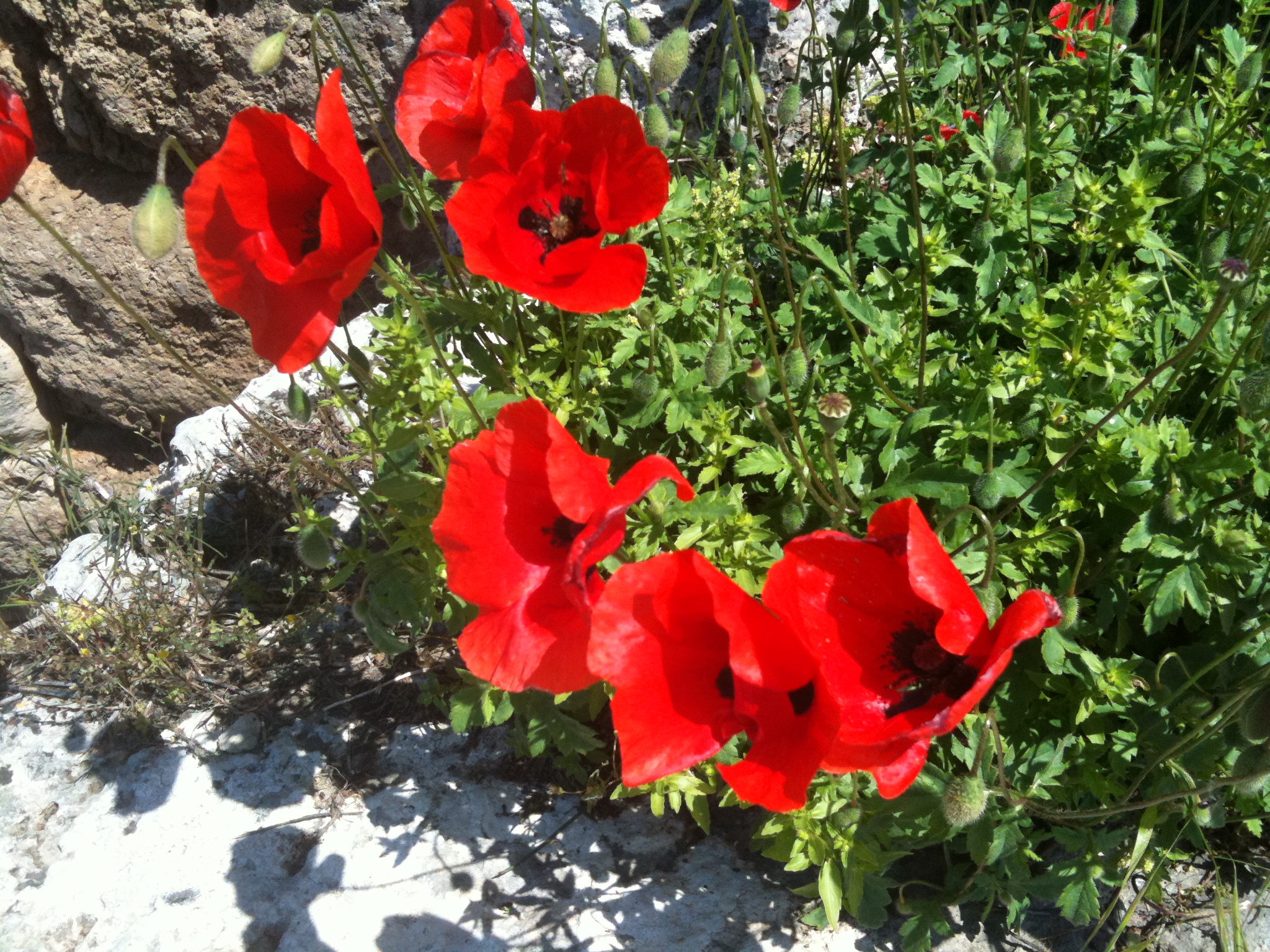
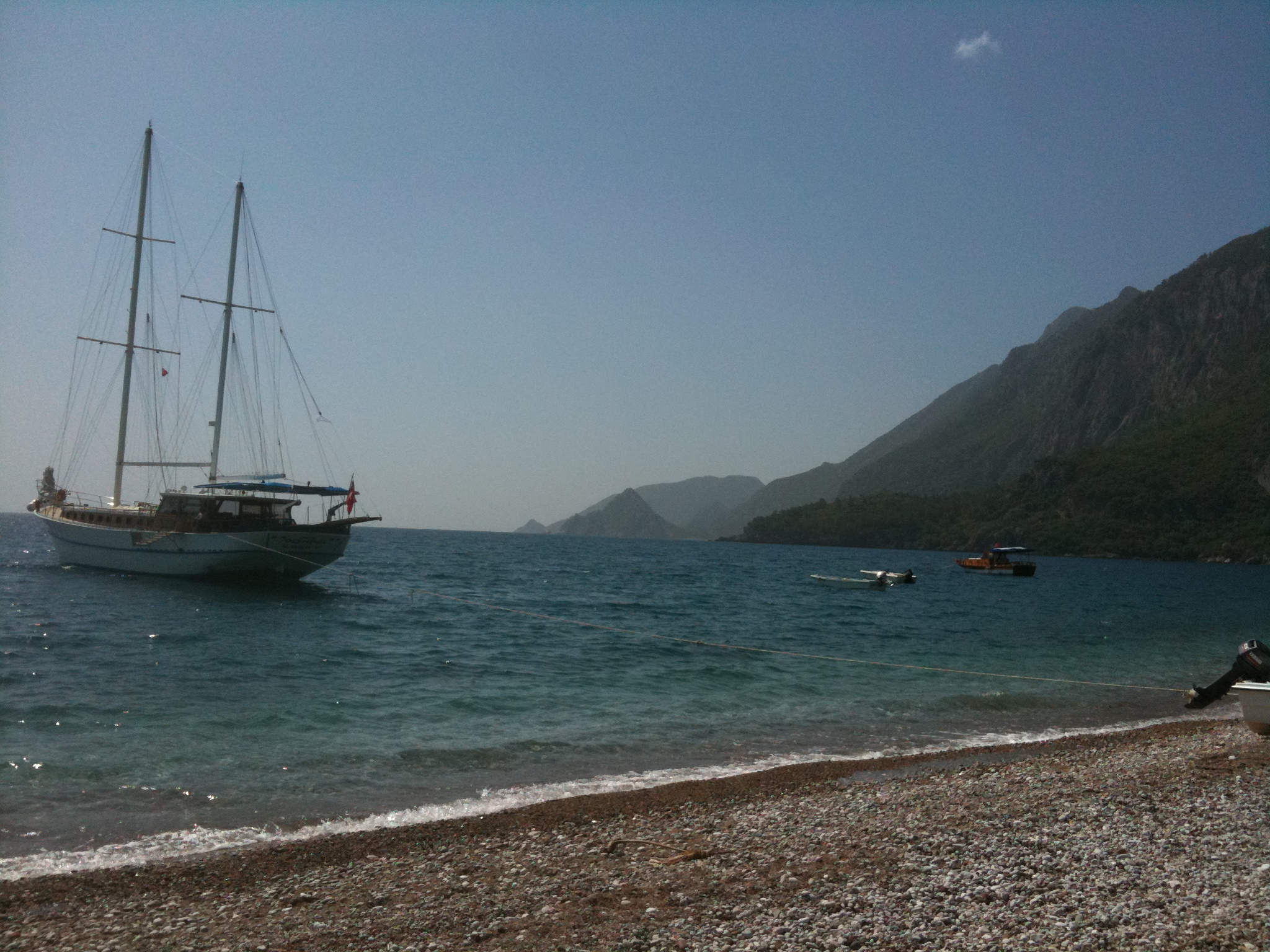
My body came home from my wonderful vacation to Istanbul and southern Turkey, but only part of my mind and imagination accompanied it. As I write throughout the mornings and afternoons, I still find myself pausing in mid-sentence without realizing it, daydreaming of dark Mediterranean waves, sun-kissed Roman ruins covered in red poppies, and the cool Bosphorus breezes cruelly reminding me that I was merely a visitor.

Here are my tweets from throughout the trip (follow me here):

May 13
Caddebostan, Istanbul, 4:45 a.m.: Incredibly chatty seagulls, a car alarm and the call to prayer. Good morning.

May 14
I’m the only one awake, sitting in the dark, watching the moon soar over Istanbul. In a few hours, I’ll be in Antalya, on the Med Sea.

May 15
Toured Greek/Roman/Byzantine ruins at Perge. Still tingling with excitement. Now at Belek resort. Long Island Iced Tea or mojito? Both.

May 16
Few things better than breakfast with a beautiful woman, sunshine, a cool seabreeze, all overlooking a gorgeous blue sea.

May 16
I’m on fire. In a good way.

May 16
Soft sunrise over the Taurus Mountains.

May 18
Tucked away in a tiny resort in near Olympos. Rose bushes, orange trees heavy with ripe fruit, mountains towering over a stellar beach.

May 19
Day began on a gorgeous pebble beach and crystal clear water. It ends in Caddebostan, under fireworks and Turkish flags celebrating Ataturk.

May 20
Why can’t I stop time? Still have sailing tour, Bosphorus cruise, a visit to refurbished Hagia Sophia, so much more. Four days will fly by.

May 20
Ending another long, wondrous day in Istanbul. Bedtime reading: Sherman’s Civil War memoirs. Hey, it doesn’t always have to be Turkey 24/7.

May 21
Deep dark waters, beautiful eyes, a burning sun, crashing waves, legacies lost, a freefall through time, a long soft kiss. More. More. More.

May 22
Unbelievable cheers in Caddebostan after Fenerbahce’s 4-3 win for the league title. Flares, car horns, fireworks. Turks know how to PARTY.

May 23
Final full day in Nova Roma. First, a tour of the city’s secret past with an eminent historian and diplomat, then a grand farewell dinner.

May 24
Rest easier, America. F has returned.

May 25
Mini-NYC shopping spree begins now. First stop: Dean & Deluca.

May 26
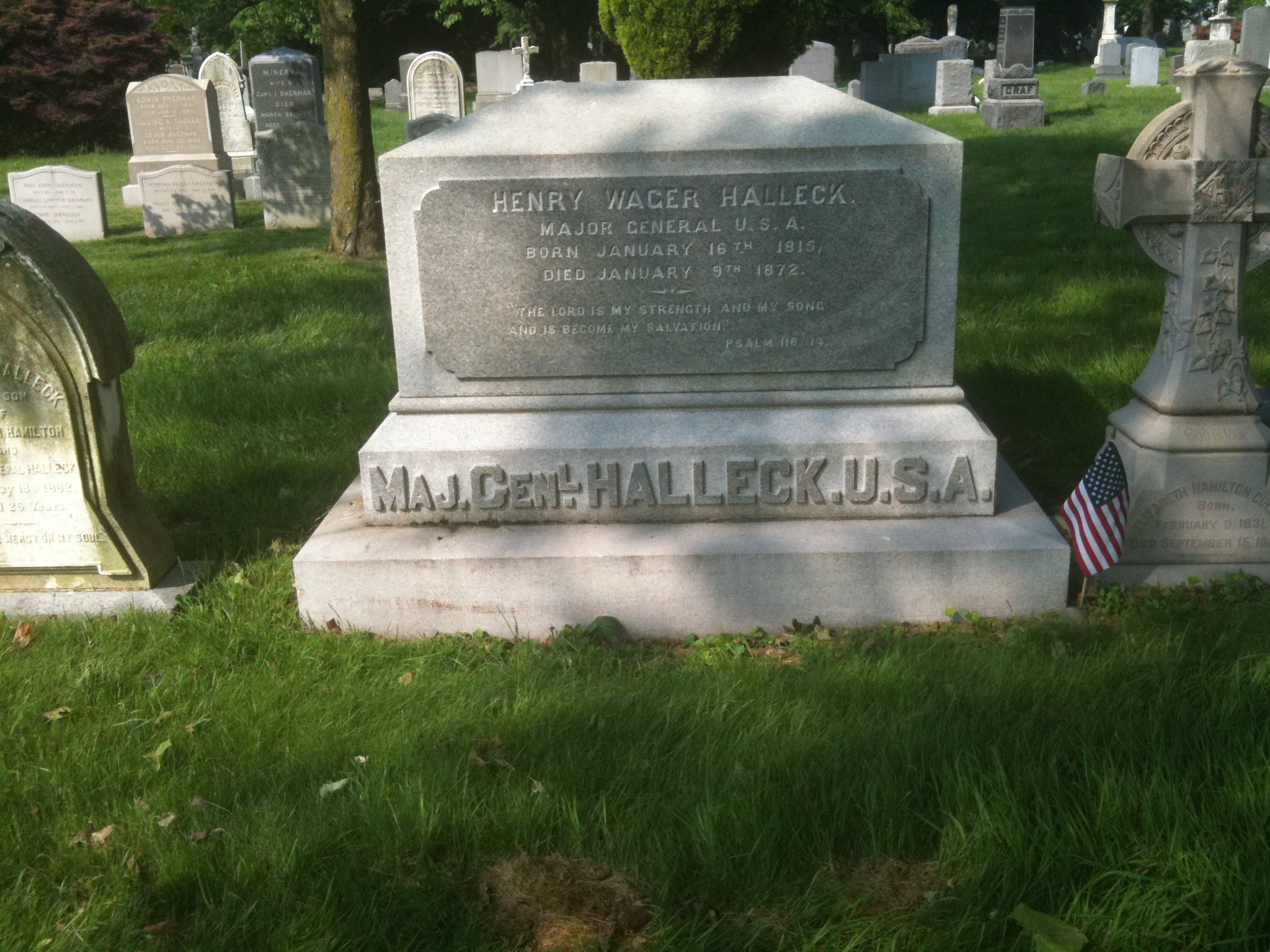
Began the beautiful morning with Henry Wager Halleck at Greenwood Cemetery. Now headed home to Texas to begin another long, sweet summer.

May 26
Home at last.

Stowe’s Civil War

I had some writer’s block the other night, and, as always, I turned to narrative historian David McCullough for some inspiration. One book in particular always re-energizes my creative energy, “Brave Companions: Portraits in History.”

I had some writer’s block the other night, and, as always, I turned to narrative historian David McCullough for some inspiration. One book in particular always re-energizes my creative energy, “Brave Companions: Portraits in History.” His incredibly diverse collection of historical essays and articles is probably one of my all-time favorite books. Among the best are illustrations of Alexander von Humboldt, Louis Agassiz, Frederic Remington, and the U.S. Congress, along with a brilliant tour guide for Washington D.C. and a musing on a special clock that tracks more than just the time.

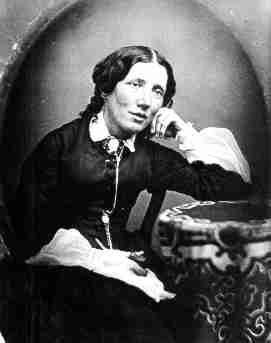
One of the pieces is about Harriet Beecher Stowe, author of “Uncle Tom’s Cabin,” the 1852 novel that made her an international celebrity overnight. As I bask in the resurgence of public interest in the Civil War, I’ll share with you what McCullough writes about Stowe during the war:

“When war came, everyone told her it was her war, and she thought so too. In South Carolina, as the war commenced, the wife of a plantation owner wrote in her diary that naturally slavery had to go, but added, ‘Yes, how I envy those saintly Yankee women, in their clean cool New England homes, writing to make their fortunes and to shame us.’

“Harriet Stowe never saw the Civil War as anything but a war to end slavery, and all her old Beecher pacifist principles went right out the window. ‘Better, a thousand times better, open, manly, energetic war, than cowardly and treacherous peace,’ she proclaimed. Her oldest son, Frederick, put on a uniform and went off to fight. Impatient with Lincoln for not announcing emancipation right away, she went down to Washington when he finally proclaimed that the slaves would be free, and was received privately in the White House. The scene is part of our folklore. ‘So this is the little woman who made this big war,’ Lincoln is supposed to have said as he shook her hand.

“She was sitting in the gallery at the Boston Music Hall, attending a concert, on January 1, 1863, the day the Emancipation Proclamation became effective. When an announcement of the historic event was made from the stage, someboday called out that she was in the gallery. In an instant the audience was on its feet cheering while she stood and bowed, her bonnet awry.”

TUNES

My poolside soundtrack for today included:
1. IN THE CLUB 50 Cent
2. MADE YOU LOOK Nas
3. HELLO N.W.A.
4. CALIFORNIA LOVE 2Pac
5. LET IT RIDE Dr. Dre
6. GIN & JUICE Snoop Dogg
7. BREAK U OFF Kool Keith
8. YOU CAN DO IT Ice Cube
9. NUTHIN’ BUT A G-THANG Snoop Dogg & Dr. Dre
10. LOSE CONTROL (Stonebridge mix) Missy Elliott, Ciara & Fatman Scoop

‘Youth is the weapon’

The cost of youthful idealism, the history of Iraq, some useful writing tips, notable books and journals I’ve recently received, and the soundtrack for a Beautiful Blues Friday.

Deadly idealism

The New York Times recently reminded me of an aspect of story of African and Middle Eastern uprising I hadn’t thought about before: how this revolutionary and reformatory fervor must appear to Iraqi youth politically suffocated by the limping government.

Supplementing their article, the At War news blog offered quotes from Iraqis collected during the reporting, “a sampling of their comments on three topics vital to the country’s future: democracy, faith and the future of the young generation.” Sherzad Omar Rafeq, a Kirkuk attorney: “The youth is the weapon of the next change in Iraq, and especially in the Kurdistan region, through demonstrations and sit-ins that are forcing change and overthrowing corrupted people.”

Youthful idealism has always frightened me, if only because history has showed me so many dreams of change end up in the gutters of geo-political reality, especially after U.S. force is utilized to take down those “corrupted people.” I used to condemn my own cynicism. I don’t anymore. I just remind myself to check particular numbers on a particular list to see the price of idealism. I don’t want to ever see any more lists like that one, especially if they’re the consequence of anyone’s youthful idealism, conceived on the streets of Baghdad or behind the desk in the Oval Office.

Speaking of Iraq, take a moment to listen to PRI’s stunning three-part series on the history of Iraq, the torturous British legacy and its bloody history with the United States.

Beautiful Blue Friday

My soundtrack for today included:
1. WHEN LOVE COMES TO TOWN U2 and B.B. King
2. BLOOD AND SNOW The Melissa Ludwig Band
3. TAKE ME Mable John
4. HOOCHIE COOCHIE MAN Muddy Waters
5. LAST NIGHT Little Walter
6. THE THRILL IS GONE B.B. King
7. I’M A MAN Bo Diddley
8. THAT’S ALL RIGHT Mighty Joe Young
9. MY LOVE WILL NEVER DIE Otis Rush
10. DEATH LETTER Cassandra Wilson

Writing tips

Over at the Guardian’s Punctuated Equilibrium blog, Henry Gee contributed his 10 tips for good writing. I feel better, knowing I already follow “the first six.” Check it out here.

Journals and books recently received

1. “The Berlin-Baghdad Express: The Ottoman Empire and Germany’s Bid for World Power” by Sean McMeekin. Belknap Harvard. $29.95
2. The Journal of Military History. April 2011, Vol. 75, No. 2
3. “The Union War” by Gary W. Gallagher. Harvard.
4. The Journal of the Civil War Era. March 2011. Vol. 1, No. 1
5. Civil War History. March 2011. Vol. 57. No. 1

The Handbook of Civil War Texas is unveiled

Thrilling news (for me, anyway) arrived in my email today. The Texas State Historical Association, which produces the magnificent Handbook of Texas, has unveiled the Handbook of Civil War Texas, a collection of “more than 800 entries, including some 325 new articles about Texas people, places and events in the Civil War.”

Thrilling news (for me, anyway) arrived in my email today. The Texas State Historical Association, which produces the magnificent Handbook of Texas, has unveiled the Handbook of Civil War Texas, a collection of “more than 800 entries, including some 325 new articles about Texas people, places and events in the Civil War.”

The editors have essentially pulled together all the Handbook of Texas articles with any link to the Civil War and then supplemented the collection with the 300+ new pieces. Also sprinkled among the articles are beautiful Civil War-era images from two Southern Methodist University photo collections.

It’s an impressive achievement, and it’s sure to be a lasting one. Begin your journey into Civil War-era Texas here.

Grant in 3-D, Fort Moultrie, and the blame for the first shot

What an embarrassment of riches … so many great articles, essays and interactives exploring the beginning of the Civil War. Here are few of my favorite pieces from the last few days.

What an embarrassment of riches … so many great articles, essays and interactives exploring the beginning of the Civil War. Here are few of my favorite pieces from the last few days:

(Photo credit: Matt Raymond, Library of Congress)

1. Civil War-era photos in 3-D. Sound strange? Let the Library of Congress explain: “Although 3-D technology seems new, stereo photography first became popular around the time of the Civil War. In fact, many Civil War photographs were made specifically to be viewed in 3-D. To bring the historical and modern 3-D methods closer together, the Library of Congress is featuring images of original Civil War stereographs in Flickr along with recently acquired digital anaglyphs made from several of the stereo views. Anaglyphs are those blurry images that pop into 3-D with the help of special glasses that have one red and one blue lens.”

2. “Civil War 150 Years” The Charleston Post and Courier has pulled together an impressive online package of interactive timelines and maps, slideshows, videos, a 20-part series on Charleston’s brutal wartime experiences, reader stories, and links to other sesquicentennial coverage from all over the web.

3. What about Fort Moultrie? Every April 12, Fort Sumter gets all the commemorative glory. But before South Carolina seceded, Maj. Robert Anderson and his Federal troops were stationed at Moultrie. The National Park Service website offers a fascinating history of the installation. I didn’t know Moultrie was used right up until the end of World War II. Also, don’t forget to check out the Online Documents section, where they’ve posted historical studies of Fort Moultrie’s battles by famed historian Edwin C. Bearss.

4. Fort Sumter history: C-SPAN 3 just posted a six-minute video of National Park Service Historian Rich Hatcher providing a snappy and informative briefing on how and why Sumter was built, how it was armed, and why, in the end, it was surrendered. Great little history.

(Photo credit: Library of Congress)

5. Who is to blame for first shot? The Washington Post pulled together a fantastic array of historians to argue over Abraham Lincoln’s decision to re-supply Fort Sumter and his underlying motivations, if any. Did he purposely provoke the Confederates into firing on the fort, thereby placing the blame for the start of hostilities on their shoulders? Was he simply following the example set by his predecessor, Democrat James Buchanan? Did Lincoln just hope for the best, hope for “cooler heads” to take charge of Southern secessionist passions? Read and find out.

1-2-5

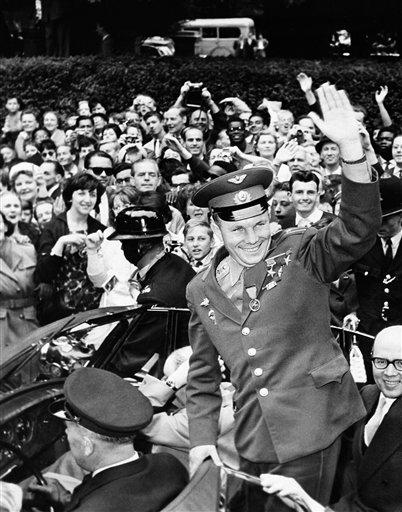
Eclipsed by all my gleeful excitement over marking Civil War events from 150 years ago is another seminal event from only 50 years ago: Yuri Gagarin becomes the first human in space.

Eclipsed by all my gleeful excitement over marking Civil War events from 150 years ago is another seminal event from only 50 years ago: Yuri Gagarin becomes the first human in space.

The Associated Press recently moved a wonderful story about the man, the mission, and the race to the moon his achievement provoked (beautifully explored by one of my favorite miniseries). “Gagarin’s flight on the Vostok was entirely automated,” reporter Vladimir Isachenkov writes, “yet simply by having the courage to face the unknown, he taught his fellow humans a vital lesson: that they had a future in space.”

Keep an eye out for more stellar (pun intended) Gagarin coverage this week. As always, BBC News is a great place to start. (Photo: Associated Press file)

TUNES

My soundtrack for today included:
1. CAN’T YOU HEAR ME KNOCKING The Rolling Stones
2. DEEP DARK TRUTHFUL MIRROR (Unplugged) Elvis Costello
3. A STROKE OF LUCK Garbage
4. GIMME SHELTER The Rolling Stones
5. FIRST CUT IS THE DEEPEST Rod Stewart
6. HARD TO MAKE A STAND Sheryl Crow
7. MUSIC Madonna
8. AND I LOVE HER The Beatles
9. SHE’S WAITING Eric Clapton
10. HEY JOE Jimi Hendrix

Nazi belt buckles, sunset at Gettysburg … and Rod Stewart, baby

Some interesting historical items caught my eye today.

WORLD WAR II

1. The British newspaper The Telegraph recently published a fascinating report on MI5 files from World War II, warning Allied forces that special Nazi agents planned to infiltrate liberated areas of Europe with poisoned aspirin pills, a gun hidden in a belt buckle and an arsenal of other clever weapons in order to spread paranoia, damage morale and murder high-ranking officials.

“The information came from a four-strong unit of German agents,” the article said, “including one woman, who were parachuted into Ayon, near St Quentin in France in March 1945, two months before the end of the war. They had been flown from Stuttgart in a captured B17 Flying Fortress, which dropped them behind enemy lines before getting shot down.”

Don’t forget to check out a photo of the very cool belt-buckle pistol, which is paired with the main Hitler photo at the top of the story. Can’t miss it. This online article is part of a larger Telegraph special report on all things World War II, including links to other fascinating pieces on Adolf Eichmann’s regrets, plans for a post-war “Fourth Reich”, and a plot to kill Winston Churchill, along with slideshows on wartime posters, wartime London and Iwo Jima. Great little package.

2. That reminds me of one of my favorite shows, “Secrets of the Dead,” which took a closer look at Winston Churchill’s cold, calculated decision to destroy the French fleet (and kill any French sailors that stood in his way) after France surrendered to the Nazis. He didn’t want the fleet, which was based at Mers El Kébir in French Algeria, used in the German attempt to invade England. It’s a stunning story.

THE CIVIL WAR

1. As time runs out for reasonable compromise to avoid another ridiculous government shutdown, the Associated Press recently updated its list of ways the shutdown would affect regular American life, including the festivities marking the beginning of the Civil War at Fort Sumter. Like I said, ridiculous.

2. The Washington Post‘s wonderful “Five Myths” series recently included two items from the Civil War arena: Why the South seceded (states’ rights or slavery?) and Abraham Lincoln (Was he gay? Was he depressed?). Keep an eye on this series for more Civil War topics as the anniversary dates roll past.

3. Columbia, S.C.’s TheState.com reported this week that ancestry.com, celebrating Civil War festivites in its own way, will allow one week of free access to its 1860 and 1870 census records. The article explains, “The 1860 census is helpful for determining which family members might have served in the Civil War. The 1870 census is the first that detailed many free former slaves.” The free week of access starts today, Thursday, April 7. Thanks to my friend, the attorney Jim Dedman, one of the authors of the legal blog Abnormal Use, for sending this piece my way.

4. Also from the Palmetto State, Charleston Magazine offers A Civil Discourse, a collection of short essays from lawyers, historians and politicians, all reflecting on what the Civil War means to them and to their lives. The last line of the last essay said it best, “It is only by discussing the war truthfully and recalling its lessons with humility, courage, and grace that we will continue to heal and prosper.” The sentiments were truly touching. Are those quivers of hope and optimism I’m feeling in my withered, cynical heart?

5. Thanks to my friend Kathleen Hendrix for sending me this gem: The Washington Post recently reported that on April 12 the Library of Congress opens a new exhibit of photos of men who fought on both sides of the war. “Titled ‘The Last Full Measure: Civil War Photographs from the Liljenquist Family Collection,'” the article says, “the exhibit features 400 haunting pictures of the average Billy Yanks and Johnny Rebs. …”

Check out the Library’s entire collection here.

6. The Baltimore Sun recently assembled a great slideshow celebrating “some of the best and most memorable works from and about the Civil War.”

Appropriately, the slideshow includes film classics like “Gone with the Wind,” “Roots,” and “North and South.” Some recent films included were “Glory” (charge!), “Cold Mountain” (>yawn<), and my personal favorite, “Gettysburg” (“Gen. Lee, I have no division!” God, I love that movie.) Thankfully, the historical and artistic travesty “God and Generals,” the prequel to “Gettysburg,” was ignored. Personally, I would have included on this list the excellent films “The Hunley,” “Ride with the Devil,” (a new Criterion Collection edition!) and “Andersonville” (the TNT version).

The slideshow also included authors Stephen Crane, Michael Shaara and Bruce Catton. If I have to explain why, let’s just part ways as friends right now. My own slideshow also would have included Gordon Rhea’s great series on the 1864 Overland Campaign, Gary W. Gallagher’s “Lee: The Soldier,” Shelby Foote’s entire Civil War narrative history, James McPherson’s “Battle Cry of Freedom,” David Herbert Donald’s “Lincoln,” and, of course, U.S. Grant’s memoirs.

Thanks to my old friend David D. Robbins Jr., editor of the fantastic blogs The Fade Out, Their Bated Breath and Rustle of Language, for pointing out the Sun‘s slideshow to me.

7. Speaking of Civil War films, Robert Redford’s “The Conspirator” premieres on April 15. Its Facebook page describes the film: “In the wake of Abraham Lincoln’s assassination, seven men and one woman are arrested and charged with conspiring to kill the President, the Vice-President, and the Secretary of State. The lone woman charged, Mary Surratt, 42, owns a boarding house where John Wilkes Booth and others met and planned the simultaneous attacks. Against the ominous back-drop of post-Civil War Washington, newly-minted lawyer, Frederick Aiken, a 28-year-old Union war-hero, reluctantly agrees to defend Surratt before a military tribunal. As the trial unfolds, Aiken realizes his client may be innocent and that she is being used as bait and hostage in order to capture the only conspirator to have escaped a massive manhunt, her own son. A suspenseful thriller with action throughout, The Conspirator tells the true story of a woman who would do anything to protect her family and the man who risked everything to save her.”

Could be good. We’ll see. Watch the trailer here.

8. Historian Thomas Connelly, writing in the Wall Street Journal, urges people who want to understand the true complexity and drama of the battles to walk the fields, hills and lanes on which they were fought. “Many Civil War battlefields have their ‘bloody lanes’ or ‘stone walls’ ” he writes. “A supposedly impregnable defense or irresistible attack could give way in the blink of an eye, resulting in slaughter. It is hard to imagine how this could happen until you see the ground itself. But once you see it, those quick shifts in the tide of battle become chillingly vivid.”

I certainly agree with him. I remember almost exactly 12 years when I visited the Gettysburg battlefield for the first time. I arrived late in the afternoon, too late to do any real exploring. That would have to wait for the next day (which was amazing). But I knew I had just enough time to make it to Little Round Top. I poked around, parked the car, dodged a squadron of bikers racing down the shaded street, and somehow found my way up to the summit. I stood next to a statue of Union Maj. Gen. Gouverneur K. Warren, one of the heroes of the battle. All around me were men and women re-enactors, beautifully dressed, saying nothing. The air was still, the birds quiet. Not even the leaves rustled. We all stood silent, transfixed by the beauty of the setting sun. The ridges below, the infamous pikes and ridges, the thickets, the monuments, and that terrible field where Pickett’s and Pettigrew’s doomed men charged — it was all bathed in a strange, red-orange haze.

It was one of the most beautiful moments of my life. I opened my cell phone to call Ayse, my then-girlfriend, to share it with her. I dialed the number, listened to it ring, and then she answered.

“Hi, darling,” I said. “I’m standing — ”

“Hold on, let me call you back.” She hung up.

I stood there in momentary disbelief. As I waited, I imagined the horrific Confederate attacks on this small hill, its desperate Union defenders somehow fighting off one attack after another. Every rock, twig, leaf, and branch must have been glistening with blood. The ground must have been soaked with it.

The phone rang. I answered.

“Sorry!” she said. “The Spurs were kicking some ass. Game just ended. What’s up, honey?”

“Oh, nothing,” I said, sighing to myself, watching the sun sink into the western horizon. The moment was gone.

TUNES

My soundtrack for today included:
1. GROWING UP Peter Gabriel
2. KNOCKIN’ ON HEAVEN’S DOOR Bob Dylan
3. GLORIA Van Morrison
4. TINY DANCER Elton John
5. RIVERS OF BABYLON The Melodians
6. SOUTHERN CROSS Crosby, Stills & Nash
7. THAT CERTAIN FEMALE Charlie Feathers
8. EVOLUTION REVOLUTION LOVE Tricky
9. RUNNING ON FAITH (Unplugged) Eric Clapton
10. I’M LOSING YOU Rod Stewart

Doomed astronauts and doomed Romans

I’m ending my night with this chilling gem from the November 2003 edition of Atlantic Monthly, “Columbia’s Last Flight” by William Langewiesche.

This was Langewiesche’s first piece after his multi-part report from the World Trade Center site, one of my favorite pieces from the magazine. Find more of his work here.

Also, check out one of my favorite shows, “Secrets of the Dead,” which took a closer look at what really happened at the Roman city of Herculaneum when Mount Vesuvius exploded, burying it and Pompeii for centuries. Later, the series explored the recent discovery of Roman cargo ships near the beautiful Italian island of Ventotene. Why they were there and why they sank has been a famous mystery, until now.

Thinking As Leverage

Developing deep and critical thinking.

Behind The Wall

Tabletop Games

Rebecca Aguilar

#CallingAllJournalists Initiative | Reporter | Media Watchdog | Mentor | Latinas in Journalism

Anna Fonte's Paper Planes

Words, images & collages tossed from a window.

Postcards from Barton Springs

Gayle Brennan Spencer - sending random thoughts to and from South Austin

The Flask Half Full

Travel stories and culture, with a twist.

Government Book Talk

Talking about some of the best publications from the Federal Government, past and present.

Cadillac Society

Cadillac News, Forums, Rumors, Reviews

Ob360media

Real News That Matters

Mealtime Joy

bringing joy to family meals

Øl, Mad og Folk

Bloggen Øl, Mad og Folk

a joyous kitchen

fun, delicious food for everyone

A Perfect Feast

Modern Comfort Food

donnablackwrites

Art is a gift we give ourselves

Fridgelore

low waste living drawn from food lore through the ages

BeckiesKitchen.com

MUSINGS : CRITICISM : HISTORY : NEWS