
From 2012 to 2015, Stillness of Heart will share interesting excerpts from the extraordinary diary of Kate Stone. The daughter of Louisiana cotton plantation owners chronicled her turbulent life throughout the Civil War era.
Learn more about Stone’s amazing life in 1861, 1862, 1863, 1864, 1865 and beyond. Click on each year to read more about her experiences.
You can read the entire journal online here.
Kate Stone’s first diary entry was on May 15, 1861. It captured the martial urgency in the air:
“My Brother started at daybreak this morning for New Orleans. He goes as far as Vicksburg on horseback. He is wild to be off to Virginia. He so fears that the fighting will be over before he can get there that he has decided to give up the plan of raising a company and going out as Captain. He has about fifty men on his rolls and they and Uncle Bo have empowered him to sign their names as members of any company he may select. …”
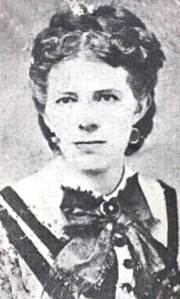
With her brother gone, the house settled into its seasonal routines. On May 23, she recorded a lazy day as the house was prepared for warmer months.
“Mamma was busy all the morning having the carpets taken up and matting put down and summer curtains hung. Of course the house was dusty and disagreeable. … I retired to the fastness of my room with a new novel and a plate of candy and was oblivious to discomfort until [black servant] Frank came to say dinner was ready and ‘the house shorely do look sweet and cool. …’ “
Stone shared the self-confident determination that pulsated through many Confederate hearts as they faced a new era of civil war:
“Tonight a little fire was pleasant and we all gathered around it to hear Mr. Newton read the papers. Nothing but ‘War, War’ from the first to the last column. Throughout the length and breadth of the land the trumpet of war is sounding, and from every hamlet and village, from city and country, men are hurrying by thousands, eager to be led to battle against Lincoln’s hordes. Bravely, cheerily they go, willing to meet death in defense of the South, the land we love so well, the fairest land and the most gallant men the sun shines on. May God prosper us. Never again can we join hands with the North, the people who hate us so. …”
Despite her self-assurance of resistance and ultimate victory over “the people who hate us so,” Stone fretted about the possibility that the war would cut her off from the newspapers she and her family relished as their main intellectual tether to the rest of the world. She regularly read “Harper’s Weekly and Monthly, the New York Tribune, Journal of Commerce, Littel’s Living Age, the Whig and Picayune of New Orleans, and the Vicksburg and local sheets. … What shall we do when our mails are stopped and we are no longer in touch with the world?”

 Stillness of Heart
You must be logged in to post a comment.